

Pilot mental health is a crucial aspect of aviation safety, particularly as we look toward 2025.
With the rise of mental health issues among pilots and air traffic controllers, the Federal Aviation Administration (FAA) recognizes the importance of addressing these concerns.
The mental health in aviation act aims to enhance the understanding of mental disorders and improve the mental health care available to aviation professionals.
It is essential for pilots to seek help when experiencing signs of mental health challenges, as the stigma surrounding mental health can often prevent them from doing so.

The pilot mental health campaign encourages pilots to engage in open conversations about their mental well-being.
By implementing the 24 recommendations from the mental health aviation rulemaking committee, the aviation industry can better support pilots suffering from mental health issues.
Furthermore, the FAA reauthorization act of 2024 includes provisions for mental health policies that support health and aviation medical clearances.
These efforts aim to reduce the stigma around mental health and create a supportive environment for pilot mental health.
Ultimately, improving the mental health of pilots not only benefits the individuals themselves but also enhances overall aviation safety.
The mental health of pilots is critical, especially as mental health conditions can significantly impact performance and safety in aviation. Recent studies have highlighted the importance of mental health care for aviation professionals, including pilots and air traffic controllers.
Why Pilot Mental Health Matters for Aviation Safety
Pilots make thousands of critical decisions every day. Their ability to perform safely depends not only on technical skill but also on mental clarity and emotional stability. High workloads, irregular schedules, long-haul flights, and constant responsibility can take a toll on any individual’s mental well-being.

For decades, aviation focused almost entirely on physical fitness. But recent studies from the Air Line Pilots Association (ALPA) and Aviation Medical Examiners (AMEs) have revealed that nearly one in eight pilots experience symptoms of depression or anxiety. Many of them, however, avoid seeking help because of fear—fear of losing their certification or being grounded.
The High-Pressure World of Airline Pilots
The daily life of an airline pilot involves unique psychological pressures. Extended duty periods, disrupted sleep patterns, and time away from family can all contribute to stress and fatigue. These factors, combined with a culture that traditionally valued toughness over vulnerability, create an environment where pilots often suppress their struggles.
Aviation safety depends not only on checklists, technology, and training but also on the psychological resilience of those sitting in the cockpit.
Understanding FAA Rules and the Aviation Medical Process
Every professional pilot must undergo a medical certification process through the FAA. This process is designed to ensure that pilots are physically and mentally capable of performing their duties safely. However, for years, pilots who disclosed mental health concerns risked losing their medical certificates, even temporarily.
That approach, while rooted in safety, unintentionally created a system that discouraged honesty. Many pilots chose silence over transparency.
How the Mental Health in Aviation Act of 2025 Changes Things
The Aviation Act of 2025, part of the FAA Reauthorization Act of 2024, represents a major step forward. It expands access to approved treatment options and allows the use of certain antidepressants under medical supervision. It also establishes peer support programs and funds research aimed at reducing the stigma around mental health in aviation.
These changes reflect a growing understanding that pilots can seek treatment and still fly safely. The Mental Health Aviation Rulemaking Committee played a key role in shaping these reforms, helping to balance safety with compassion and practicality.
Why Many Pilots Avoid Seeking Mental Health Care
Despite progress, fear continues to influence how pilots approach their mental health. A diagnosis of depression or anxiety can still lead to additional medical reviews or a special issuance—a process that may delay a pilot’s return to duty.
For many, that risk feels too high. The result is a lingering stigma that discourages open discussion and prevents early intervention.
The Hidden Cost of Silence in Aviation
When pilots stay silent, the consequences can be serious. In several high-profile cases, undiagnosed or untreated mental health issues have been contributing factors in incidents and accidents. Publications like The New York Times and Scientific American have reported that many pilots avoid therapy or medication entirely to protect their careers.
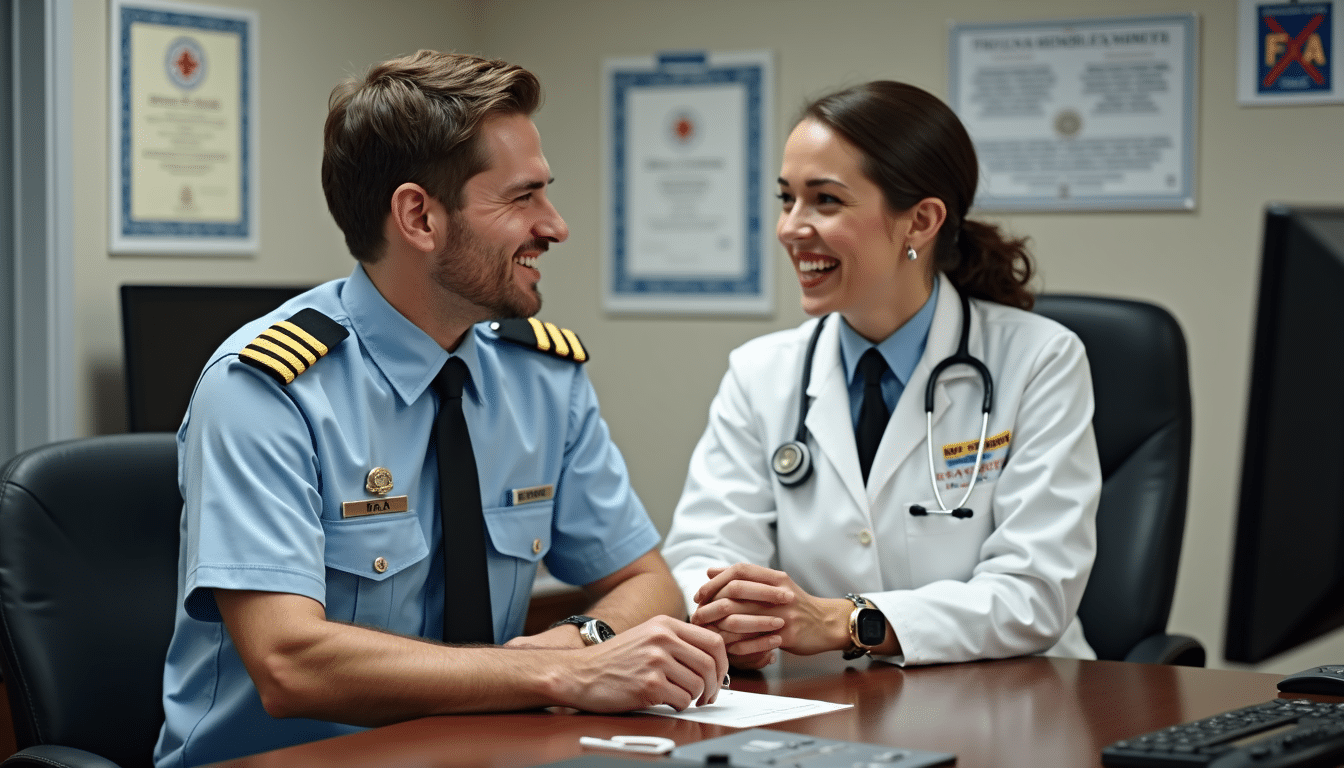
Experts agree that changing this culture is essential. Reducing stigma and promoting trust between pilots, airlines, and regulators can prevent small problems from becoming safety risks.
How the Industry Is Supporting Pilots’ Mental Well-being
Across the aviation community, a new generation of programs is taking shape. Airlines, unions, and regulators are collaborating to provide pilots with confidential and supportive pathways to care.
The Pilot Mental Health Campaign (PMHC), for example, has become a leading advocate for reform and awareness. The Air Line Pilots Association (ALPA) continues to push for greater transparency and protection for those who come forward.
Global Efforts and Best Practices
Internationally, Europe’s Aviation Safety Agency (EASA) now requires peer support programs for all commercial pilots. These initiatives offer confidential counseling and early intervention, ensuring pilots can talk about their challenges without jeopardizing their careers.
Other regions are following suit, signaling a global recognition that mental health in aviation is a shared responsibility.
Practical Steps to Improve Pilot Mental Health
Institutional change is vital, but personal responsibility also plays an important role. Pilots can take steps to safeguard their own mental health:
-
Maintain healthy sleep and rest patterns whenever possible.
-
Seek professional or peer support at the first sign of distress.
-
Use confidential counseling programs offered by airlines or associations.
-
Practice mindfulness and regular physical activity to manage stress.
-
Stay informed about updates to FAA mental health policies.
When mental health is treated as part of normal maintenance, rather than a sign of weakness, the entire aviation system becomes stronger.
Building a Culture of Safety and Support
Creating a supportive environment requires collaboration across all levels of aviation—from flight crews to management to regulators. A culture that values mental health promotes not only individual well-being but also collective safety.
As Representative Sean Casten, a co-sponsor of the Mental Health in Aviation Act, noted, “Safety in aviation begins with the people who fly the planes. Supporting their mental health supports everyone’s safety.”
Conclusion: Toward Safer Skies and Healthier Pilots
The future of aviation depends on acknowledging that mental health care and safety are inseparable. With the FAA’s reforms, the growth of peer support programs, and the industry’s collective effort to remove stigma, pilots are finally gaining access to the care they deserve.
When pilots are supported—physically, mentally, and emotionally—every flight becomes safer. The sky is not just a workplace; it’s a reflection of trust in the people who make aviation possible.
Pilot Mental Health FAQs
Can pilots have mental health issues?
Yes. Pilots, like anyone else, can experience mental health challenges such as anxiety, depression, or stress-related conditions. The FAA and aviation authorities encourage early reporting and treatment through confidential support programs to maintain both pilot well-being and flight safety.
Can you be a pilot if you have depression?
Yes, in some cases. The FAA allows pilots diagnosed with depression to fly if their condition is stable and managed under medical supervision. Certain antidepressants—such as Cymbalta, Effexor, and Pristiq—are approved for use, provided the pilot meets all other medical requirements.
Do pilots undergo mental health checks?
Yes. Mental health assessments are part of every aviation medical examination conducted by FAA-certified Aviation Medical Examiners (AMEs). These evaluations help ensure that pilots are mentally and physically fit to perform their duties safely.
What is the Mental Health in Aviation Act of 2025?
The Mental Health in Aviation Act of 2025 is U.S. legislation designed to modernize FAA policies on pilot mental health. It promotes better access to care, expands peer support programs, and reduces the stigma that prevents many pilots from seeking help.
Why are some pilots hesitant to seek mental health treatment?
Many pilots worry that disclosing mental health conditions could result in losing their medical certification or flight privileges. Although FAA policies are becoming more supportive, the fear of being grounded still discourages some from seeking professional help. Recent reforms aim to change that culture through education and privacy protections.
What support is available for pilots struggling with mental health?
Several organizations offer support, including airline employee assistance programs, peer support groups, and mental health hotlines for aviation professionals. The FAA and groups like the Air Line Pilots Association (ALPA) have created confidential channels to connect pilots with licensed counselors and aviation medical experts.
Can a pilot return to flying after mental health treatment?
In most cases, yes. If a pilot’s condition is successfully treated and deemed stable by an FAA Aviation Medical Examiner, they may be granted a medical certificate or special issuance allowing them to return to duty. Transparency, documentation, and cooperation with medical professionals are key to this process.